


The Art of the Hashtag
The Power of the Hashtag: How One Symbol Transformed Digital Communication
Every year on 23rd August, we mark International Hashtag Day. It may sound like just another quirky entry on the digital calendar, but the hashtag is far from trivial. In fact, this simple symbol has changed how we discover content, how we connect with communities, and how businesses build their brands online.
1. From Symbol to Global Movement
The hashtag’s story began in 2007, when social technology expert Chris Messina posted on Twitter suggesting that the “#” symbol could be used to group conversations. At the time, the idea was novel—why would anyone prefix words with a hash?
Fast forward to today, and hashtags are one of the most recognisable features of digital life. From #MeToo and #BlackLivesMatter to #ItsComingHome, they’ve become rallying cries, marketing tools, and cultural touchstones.
DID YOU KNOW
The Hashtag Record – In 2014, the most tweeted hashtag in 24 hours was #AlDubEBTamangPanahon from the Philippines, hitting 40 million tweets in one day.
2. Why Hashtags Matter More Than Ever
It’s tempting to think of hashtags as mere decoration, but their value goes much deeper:
- Discoverability – They transform posts into searchable content, ensuring you’re seen beyond your immediate followers.
- Community Building – A shared hashtag connects people across borders and platforms.
- Campaign Power – Movements, social causes, and even protests have gained traction via hashtags.
- Brand Visibility – From Nike’s #JustDoIt to small businesses launching their own campaign tags, brands use hashtags to create buzz and encourage user-generated content.
- Trend Participation – Engaging with trending hashtags can help a brand ride the wave of online conversation—when it’s done authentically.
3. The Numbers Don’t Lie
- Posts with at least one hashtag on Instagram generate 12.6% more engagement than those without.
- Tweets with hashtags are twice as likely to be retweeted.
- LinkedIn posts with hashtags see significantly higher reach, especially when tied to industry topics like #DigitalTransformation or #Leadership.
DID YOU KNOW
Guinness Record – The longest hashtag ever used contained 36 words! It read:
"#labouringonInternationalDayOfTheWorldsIndigenousPeoples
SoThatWeCanHaveOurVoicesHeardAndOurStoriesShared"
4. Hashtags in the UK: Cultural Moments
In Britain, hashtags have become a kind of digital shorthand for shared experiences.
- #ClapForCarers united communities during the pandemic, showing gratitude to NHS and frontline workers.
- #Brexit became one of the most followed political debates in social media history.
- #ItsComingHome turned from a football chant into a national social media moment.
- Charities such as #WearItPink (Breast Cancer Now) and #RedNoseDay (Comic Relief) successfully use hashtags to boost participation and fundraising.
These examples show how hashtags can spark emotion, mobilise support, and embed themselves in our cultural identity.
5. How to Use Hashtags Effectively
Not all hashtags are created equal. Simply throwing 20 random ones onto a post won’t guarantee success. Here’s how to get it right:
a. Be Strategic, Not Spammy
- Do: Choose hashtags that genuinely relate to your post and your audience.
- Don’t: Stuff your content with irrelevant hashtags—it looks unprofessional and can harm credibility.
b. Mix Popular with Niche
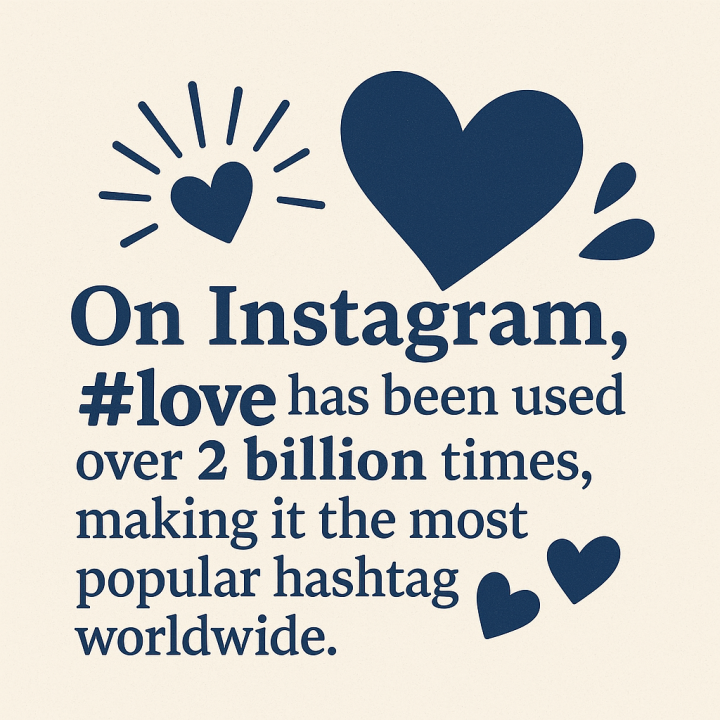
- Popular tags like #Love or #Inspiration attract broad visibility.
- Niche tags like #EcoFriendlyRoofing or #LondonStartups target specific communities.
- The best approach is a blend of both.
c. Create a Branded Hashtag
- Develop a unique tag for your business or campaign (e.g. #MadeInManchester or #BespokeUKSoftware).
- Encourage staff, customers, and partners to use it, building community and brand recognition.
d. Watch the Trends
- Platforms like Twitter and TikTok highlight trending hashtags in real time.
- Jumping on trends can increase reach, but always ensure it’s relevant and appropriate.
e. Test, Measure, Refine
- Track performance: which hashtags drive engagement, clicks, or conversions?
- Over time, build a “go-to” list of hashtags that work for your audience.
6. Hashtags for Businesses: Practical Tips
- Keep it Relevant – Only use hashtags that match your content, brand, or industry.
- Quality Over Quantity – 3–5 strong hashtags are better than 20 random ones.
- Mix Broad and Niche – Pair popular tags (e.g. #Business) with specific ones (e.g. #UKStartups).
- Create a Branded Hashtag – Encourage your audience to share posts using your unique tag.
- Research Before You Post – Check what hashtags your competitors and industry leaders use.
- Mind the Platform –
- LinkedIn: 3–5 hashtags
- Instagram: up to 10–12 relevant ones
- Twitter/X: 1–2 for clarity
- TikTok: combine hashtags with trending sounds.
- Track Performance – Review which hashtags bring you reach, engagement, or clicks.
- Stay Trend-Savvy – Join trending hashtags if they’re authentic to your brand voice.
- Don’t Spam – Overusing hashtags can look desperate and reduce credibility.
- Think Local – Use city or region-based hashtags (#ManchesterBusiness, #LondonTech) to reach nearby audiences.
7. Final Thought
With AI and algorithm-driven feeds, some argue hashtags may lose relevance. Yet evidence suggests they’ll continue to evolve. On TikTok, for example, hashtags fuel the recommendation system. On LinkedIn, they’re central to professional networking.
What’s certain is this: the hashtag remains more than a symbol. It’s a connector, a storyteller, and a driver of digital culture.
Next time you add a hashtag, think of it as more than a marketing trick. You’re joining a conversation, building a bridge, and potentially starting a movement.
So this International Hashtag Day (23rd August), ask yourself:
👉 What story does my hashtag tell?
👉 Who could it connect me with?
👉 And how can I use it not just for reach, but for real impact?
If your company’s clever use of hashtags is driving engagement and boosting business, it may be time to support that growth with our Bespoke Software System – and that’s where we come in.
Contact us now on how we can help you now and in the future.
bespokeuk.com/contact
2026 Colours trends for website design
2026 Colour Trends for Website Design Digital spaces are undergoing a prof...
8 min read

Google analytics dropping?
1. Google Analytics The old version of Google Analytics (known as Universa...
5 min read

Stop business subscriptions with Bespoke software
Subscription Creep: hidden system costs Many business owners genuinely bel...
7 min read

The types of iterative Agile methodology, which one’s for you?
Agile Methodology Diagram Agile Methodology Release Date Best Suitabl...
12 min read

Business sustainability - Understanding Carbon Footprint, Carbon Neutral, and Net Zero
The concepts of carbon footprint, carbon neutrality, and net zero are centr...
9 min read

Business Plans - Comprehensive Guide Part 3
Creating a Business Plan is a critical step for any entrepreneur aiming to...
7 min read